

A ninja low taper fade is a modern men’s haircut that combines a low, carefully blended taper around the temples and neckline with a longer top that can be styled in different ways. The haircut focuses on clean edges, natural movement, and a balanced shape. Depending on your preference, you can wear the top messy, textured, curly, brushed forward, or pushed backward.
The word “ninja” does not describe a standardized barbering technique. It is a style-inspired name associated with the sharp, controlled appearance of the haircut and its online connection to streamer Ninja. The exact result depends on the top length, fade height, hair texture, and finishing details you choose.
A traditional low taper keeps the shortest hair close to the ears and neckline. The barber gradually blends the short sections into the longer hair above them. This creates a neat outline without removing too much hair from the sides.
Why Is the Ninja Low Taper Fade So Popular?
The popularity of this haircut comes from its connection to internet culture, modern barbering, and the growing interest in personalized men’s hairstyles. It offers a recognizable appearance while leaving enough room for individual styling choices.
The famous phrase about Ninja getting a low taper fade became a viral internet reference in January 2024. Musician ericdoa sang the line during a livestream freestyle, and the clip spread across social media. Ninja later got the haircut and shared a video using the original audio, helping the trend reach a much wider audience.
The haircut itself was not invented by the meme. Low tapers had already been part of men’s grooming for years. The viral moment simply introduced the name to more people and encouraged conversations about the style.
A Clean Look Without an Extreme Fade
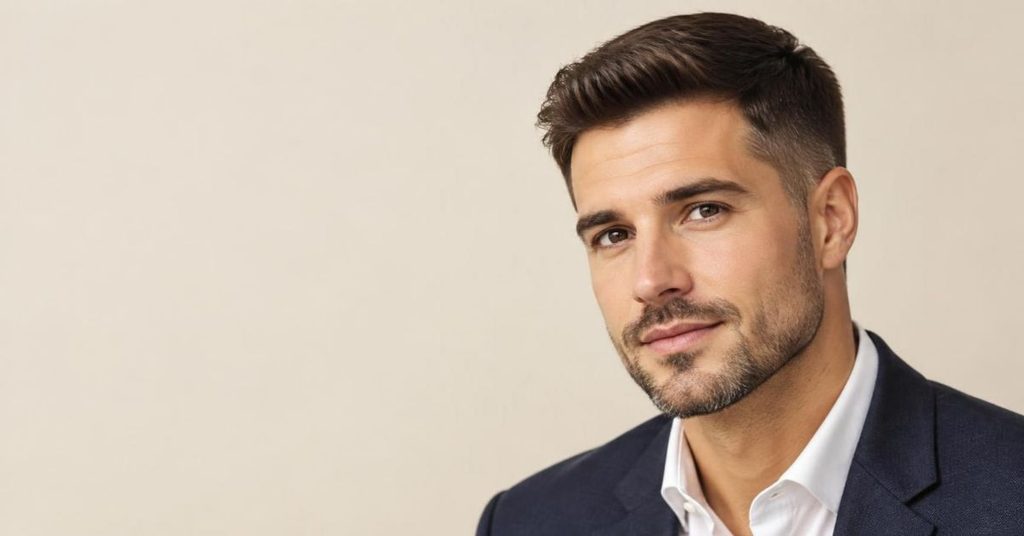
Many men want a haircut that looks fresh but does not expose too much scalp. A low taper offers that balance because the blending stays close to the natural hairline.
You can retain more weight around the sides while still getting a neat finish near the ears and neck. This makes the cut a practical option if you prefer a subtle change rather than a dramatic transformation.
Easy to Personalize
The top can be adjusted to suit your preferences. A textured fringe gives the haircut a relaxed appearance, while a combed-back top creates a more polished result.
You can also add curls, waves, layers, a middle part, or a small hair design. The same low taper can support several different looks.
Suitable for Different Occasions
A softer version can work for everyday activities, family events, and many workplaces. A sharper lineup or more dramatic top can make the haircut look more fashion-focused.
Your school or workplace may have specific grooming rules, so check those requirements before choosing an especially bold design.
Works With Different Hair Textures
Straight, wavy, curly, and coily hair can all work with a low taper. The barber simply needs to adjust the cutting method and top length to match the natural texture.
For example, curly hair may need careful layering to prevent excessive bulk, while straight hair may benefit from texturizing to create movement.
Main Features of This Haircut
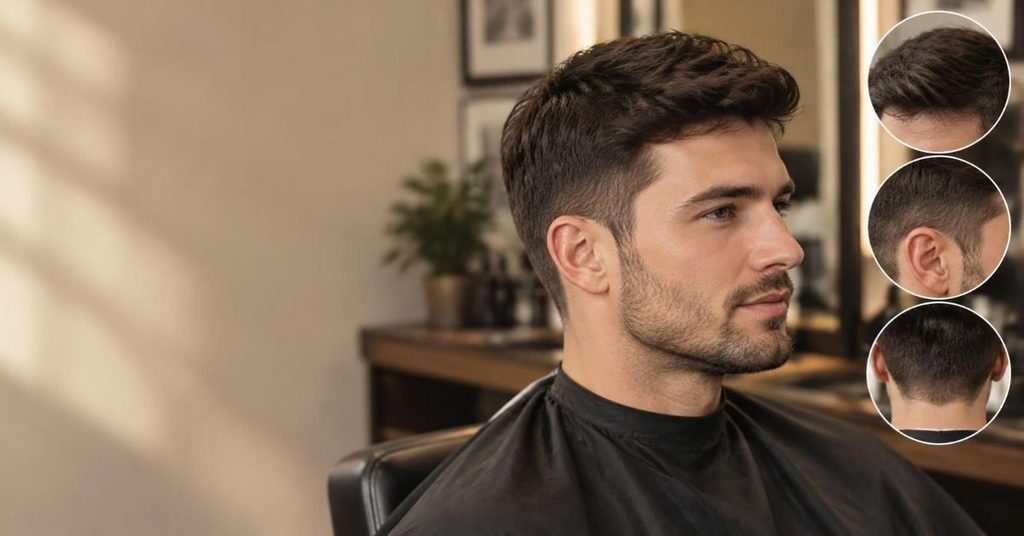
Several details help distinguish this look from an ordinary short haircut:
- Low fade placement: The shortest section stays near the ears, sideburns, and neckline.
- Smooth blending: The barber gradually connects short hair with the longer sections.
- Textured top: The upper hair can have layers, movement, curls, or a controlled finish.
- Clean temples: The temple area receives careful trimming to create a neat outline.
- Natural neckline: The back can have a soft taper instead of a hard, squared-off finish.
- Flexible styling: You can change the top without changing the basic fade.
A good haircut does not need an extremely short fade to look sharp. The balance between the sides and top is what makes this style stand out.
20 Modern Ninja Low Taper Fade Styles You Should Try
There is no single way to wear this haircut. Some versions look simple and traditional, while others feature longer hair, defined texture, or more noticeable styling details.
The following ideas can help you choose a version that matches your hair type, face shape, and daily routine.
1. Classic Ninja Low Taper Fade
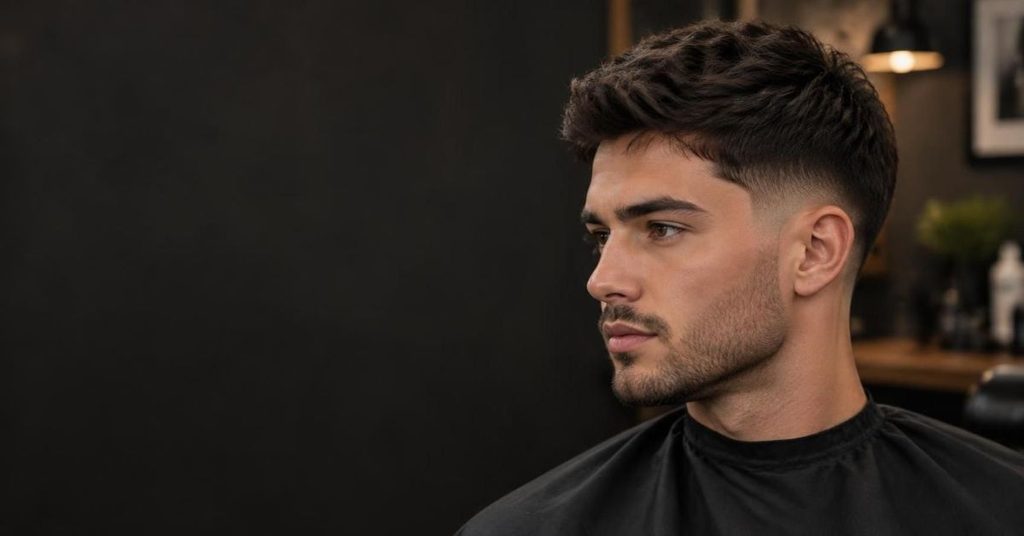
The classic version is a great starting point if you want a neat haircut without complicated styling. It features a low taper around the temples and neckline, with a moderately short top that keeps its natural shape.
The barber blends the sides gradually and leaves enough length on top for light brushing or finger styling. A natural hairline keeps the overall appearance balanced.
This version works especially well for men who prefer a clean everyday haircut. It does not require a complicated morning routine, and you can style it with a small amount of matte cream.
Best for: Straight, slightly wavy, and medium-density hair.
How to style it: Apply a small amount of styling cream, brush the top into place, and use your fingers to separate a few sections.
2. Textured Ninja Taper Fade
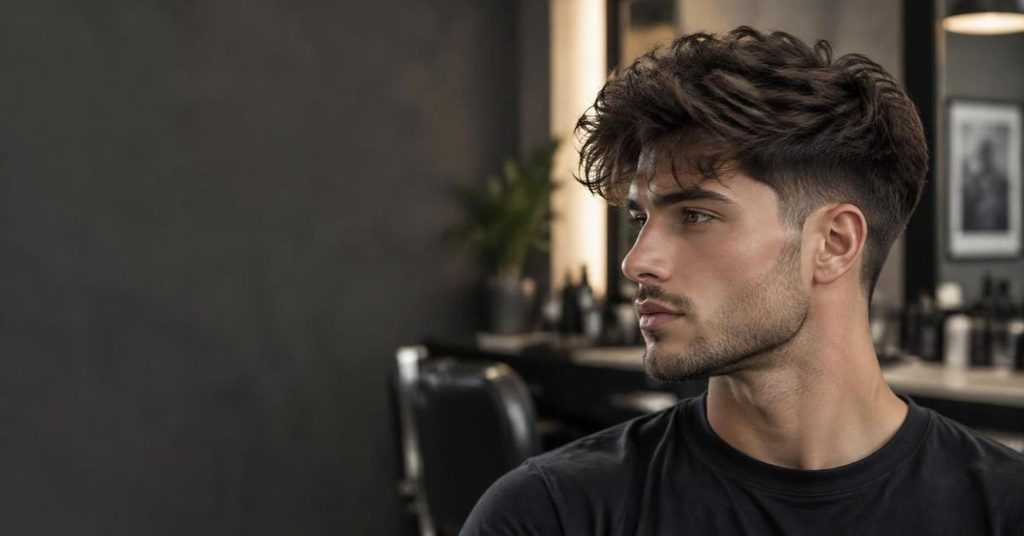
A textured top adds movement and makes the haircut look less formal. The barber uses scissors or suitable texturizing techniques to create different lengths across the upper section.
The sides remain neatly tapered, while the top gains a slightly uneven finish. This creates a relaxed appearance that works well with casual clothing.
The textured version is a useful choice if your hair looks too flat when cut at one length. A lightweight matte clay can help separate the strands without making them look greasy.
Best for: Straight, thick, and slightly wavy hair.
How to style it: Work a small amount of matte clay through dry hair and lift the front with your fingertips.
3. Ninja Low Taper Fade With Fringe
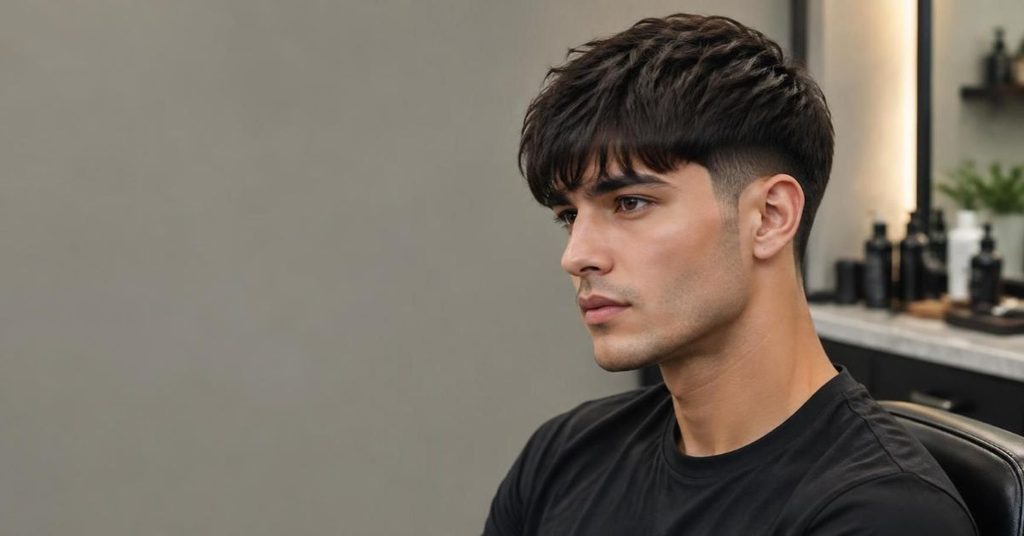
A fringe brings the front section forward toward the forehead. It can be short and textured or longer and more noticeable, depending on your preference.
The low taper keeps the sides tidy while the fringe gives the haircut a youthful appearance. You can wear the front straight down, slightly to one side, or with separated textured pieces.
A fringe can also help balance a longer-looking forehead. The barber should adjust its length according to your face shape and natural hair growth.
Best for: Straight, wavy, and medium-density hair.
How to style it: Blow-dry the front forward using your fingers or a small brush. Finish with a light styling cream.
4. Messy Ninja Low Taper Fade
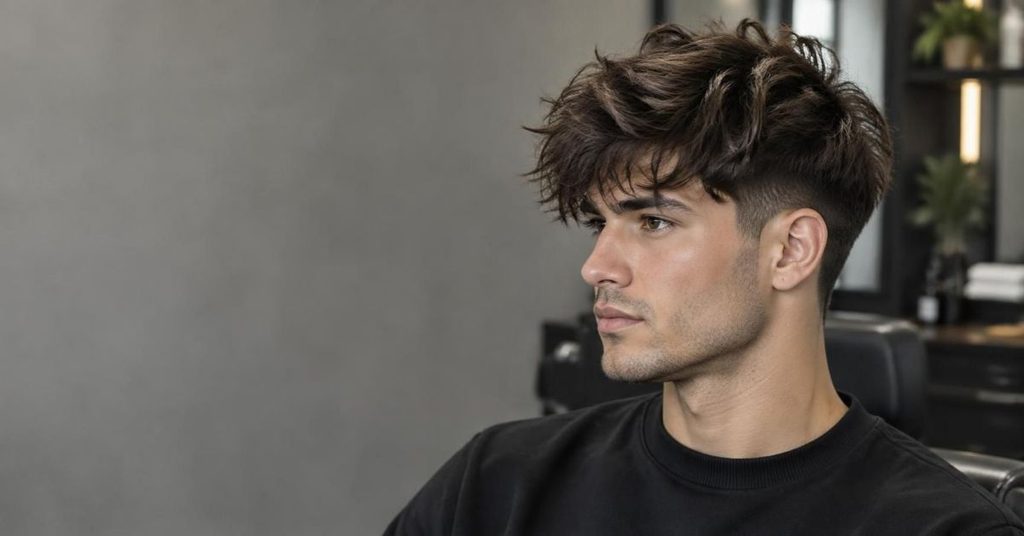
The messy version is designed for men who prefer a relaxed appearance instead of a perfectly arranged hairstyle. It features a clean taper with a longer top that can move naturally.
The upper hair is cut with enough variation to create separation. You do not need every strand to sit in the same direction.
This style can look particularly good on thick or wavy hair because natural movement gives the top more character. Avoid using too much gel because a stiff finish can remove the relaxed effect.
Best for: Thick, wavy, and naturally textured hair.
How to style it: Apply a small amount of matte paste, move the hair in different directions, and let a few strands fall naturally.
5. Middle-Part Ninja Taper
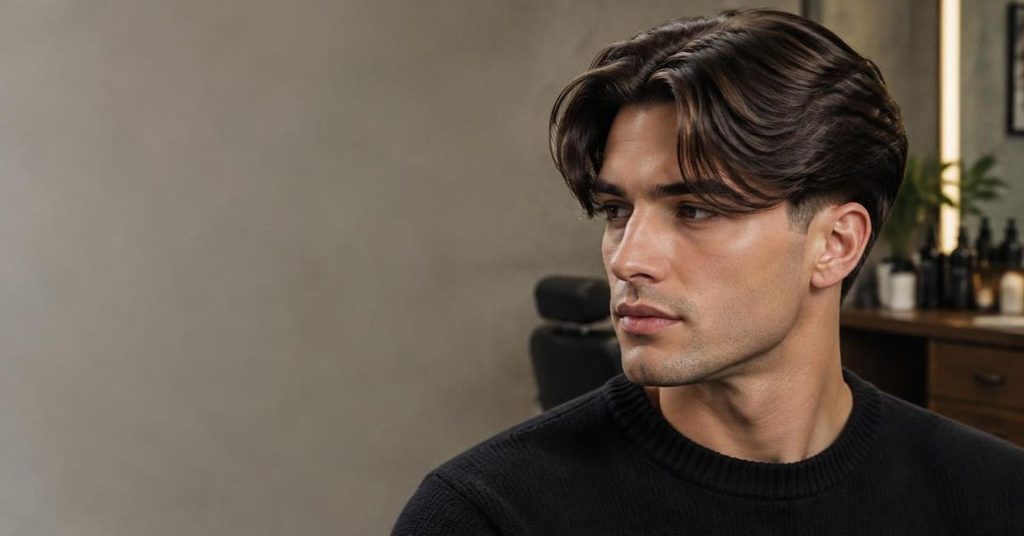
A middle part creates two sections that fall away from the center of the forehead. It gives the haircut a softer appearance than a traditional brushed-forward style.
The low taper keeps the temples and neckline clean, while the longer top creates movement around the face. You can keep the part subtle or make it more defined.
This look is especially suitable for men with straight or wavy hair that naturally separates near the center. A little length is necessary to make the sections fall properly.
Best for: Straight and wavy hair with medium or longer top length.
How to style it: Create a center part while your hair is damp. Use a blow-dryer on low heat and guide both sections away from the center.
6. Two-Block Ninja Low Taper Fade
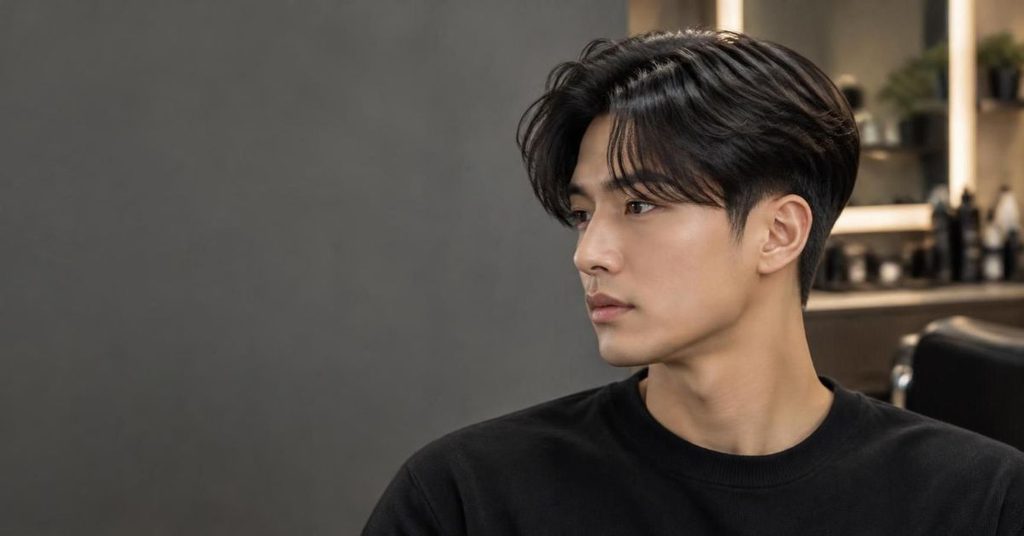
The two-block haircut has a noticeable difference between the longer upper section and the shorter sides. Combining this shape with a low taper gives the hairstyle a modern, layered appearance.
The top stays fuller, while the lower sections around the temples and neckline receive a gradual blend. Unlike a very high fade, this approach keeps much of the natural side volume.
It is a useful choice if you like Korean-inspired hairstyles but want a cleaner outline around the ears.
Best for: Straight, thick, and slightly wavy hair.
How to style it: Use lightweight cream and a blow-dryer to direct the upper layers into a natural shape.
7. Ninja Taper With Long Top
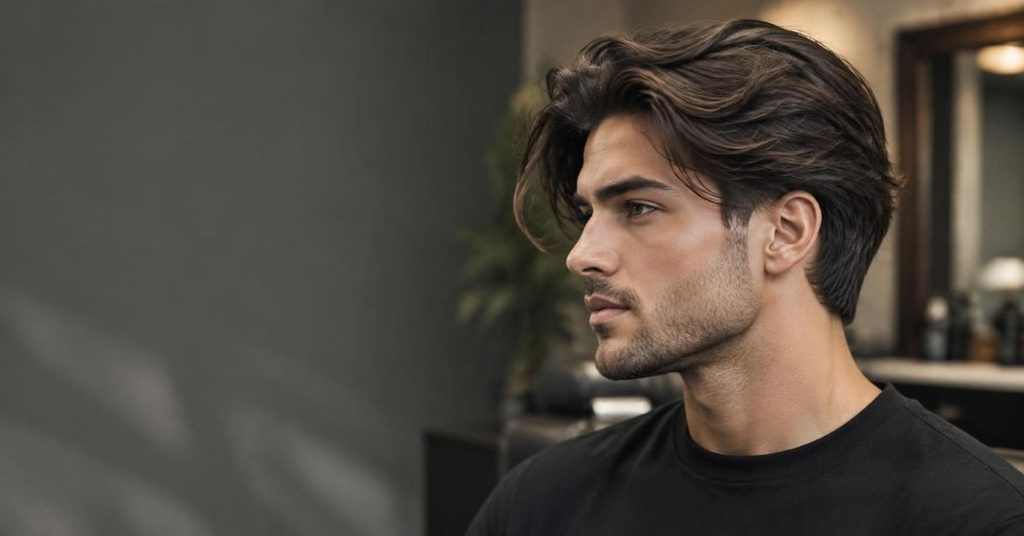
A longer top gives you more styling options. You can push the hair backward, create a loose fringe, form a middle part, or use a textured finish.
The low taper prevents the sides from looking overly bulky. It also creates a clear outline around the ears and back of the head.
Keep in mind that longer hair needs more attention than a short crop. You may need a brush, blow-dryer, and suitable styling product to maintain the shape.
Best for: Men with straight, wavy, or loosely curly hair.
How to style it: Apply a lightweight styling cream and use a blow-dryer to guide the hair in your preferred direction.
8. Short Ninja Taper Fade
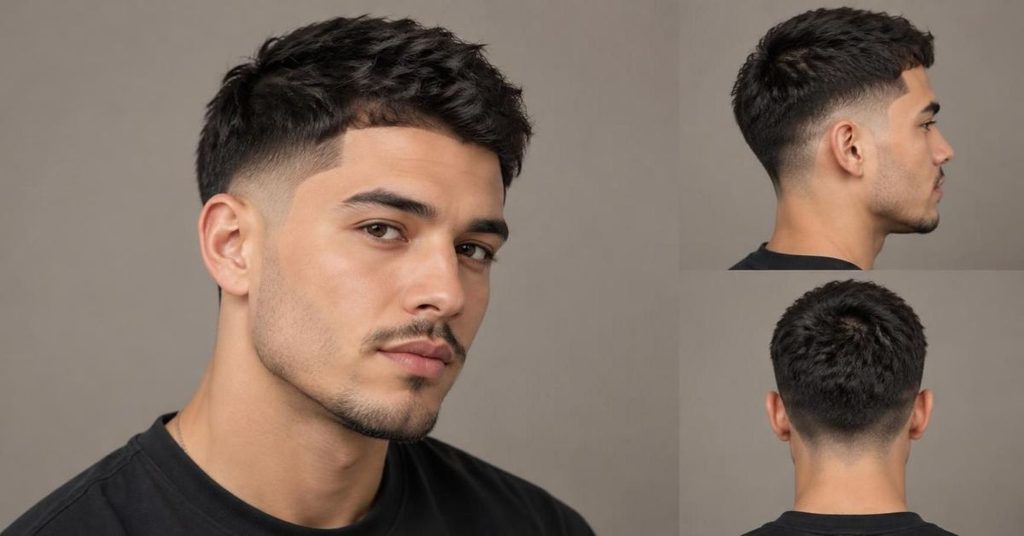
You do not need long hair to enjoy this haircut. A short version keeps the top relatively close to the head while retaining a little texture and movement.
The barber creates a low taper around the temples and neckline, then trims the upper section to a practical length. The result is neat, simple, and easy to maintain.
This is a good option if you want the character of the haircut without spending much time styling it.
Best for: Straight, thick, curly, and coily hair.
How to style it: Use a small amount of matte cream or leave the top natural if the cut already has enough texture.
9. Thick-Hair Ninja Taper
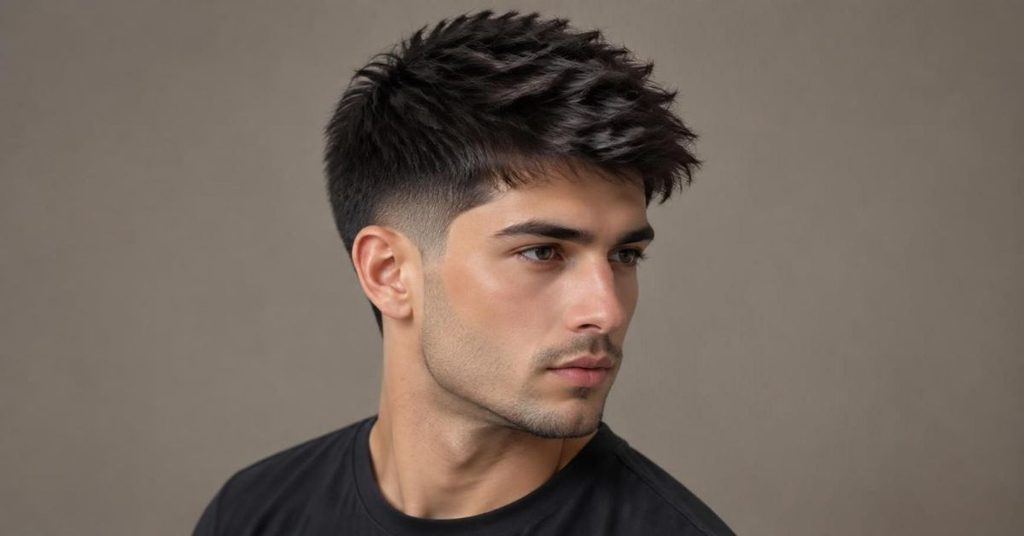
Thick hair can create a fuller and more noticeable top. A low taper removes unnecessary bulk around the edges while preserving the natural density above.
The barber should avoid removing too much weight from the upper sections. Proper layering helps prevent the hair from becoming too wide or difficult to control.
This version works well if your hair grows outward and needs a more structured shape.
Best for: Thick, dense, straight, and wavy hair.
How to style it: Apply a medium-hold styling product and direct the upper hair backward or slightly forward.
10. Straight-Hair Ninja Low Taper Fade
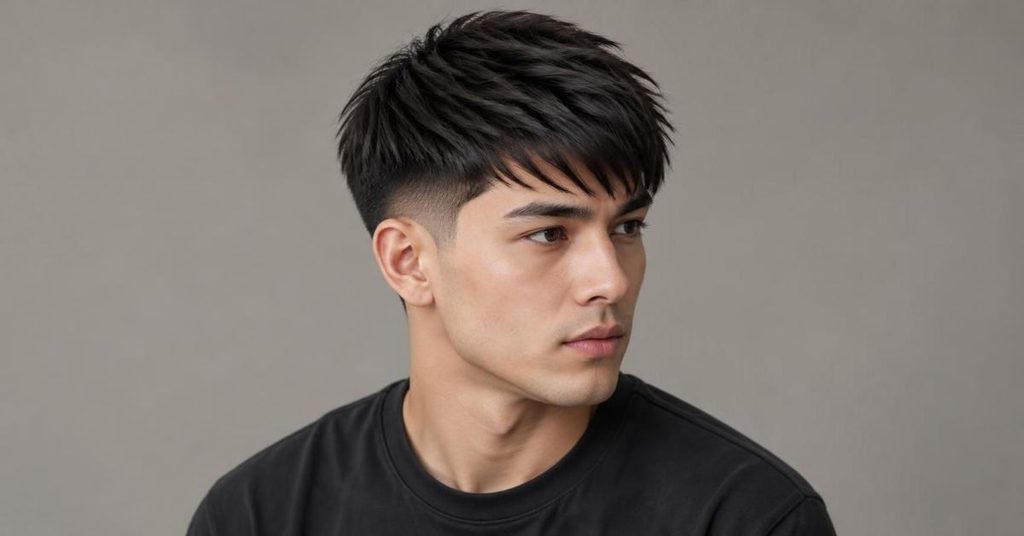
Straight hair makes it easier to create defined parts and smooth styling directions. You can wear the top with a side sweep, textured fringe, middle part, or slicked-back finish.
The low taper adds shape around the ears without making the haircut look too severe. Scissor work on top can also prevent straight hair from appearing flat.
If your hair is fine, ask the barber to avoid removing too much density from the upper section.
Best for: Fine, medium, and thick straight hair.
How to style it: Use a lightweight cream or matte paste, depending on whether you prefer a natural or textured finish.
11. Wavy Ninja Taper Fade
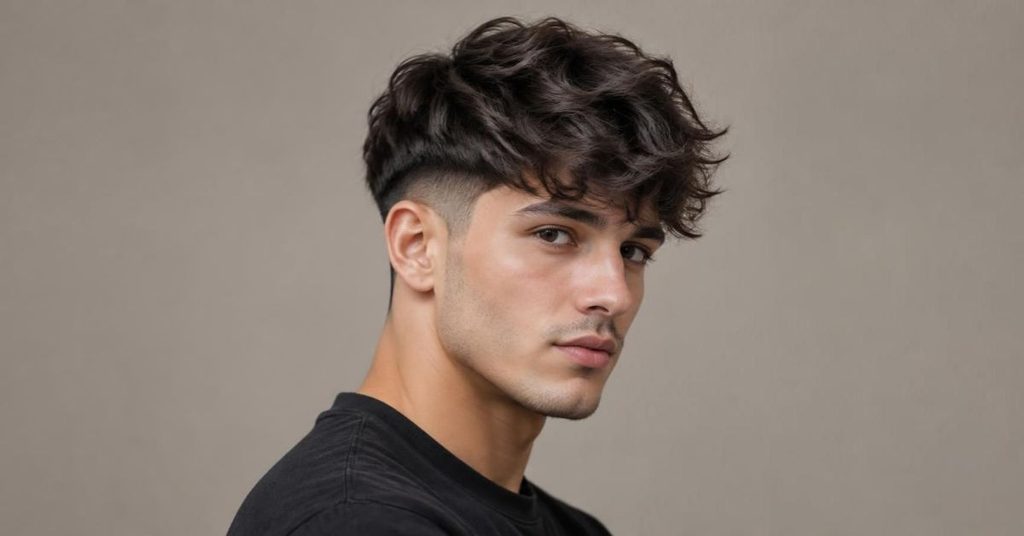
Natural waves give the top a relaxed appearance without requiring heavy styling. The barber can leave the waves longer and use light layering to control the overall shape.
The tapered sides create a neat contrast with the movement above. This combination looks especially good when the waves are allowed to keep their natural pattern.
Avoid brushing dry waves aggressively because it can separate the texture and create unwanted frizz.
Best for: Naturally wavy hair.
How to style it: Apply a lightweight curl cream to damp hair, scrunch gently, and allow it to dry naturally or use a diffuser.
12. Curly Ninja Low Taper Fade
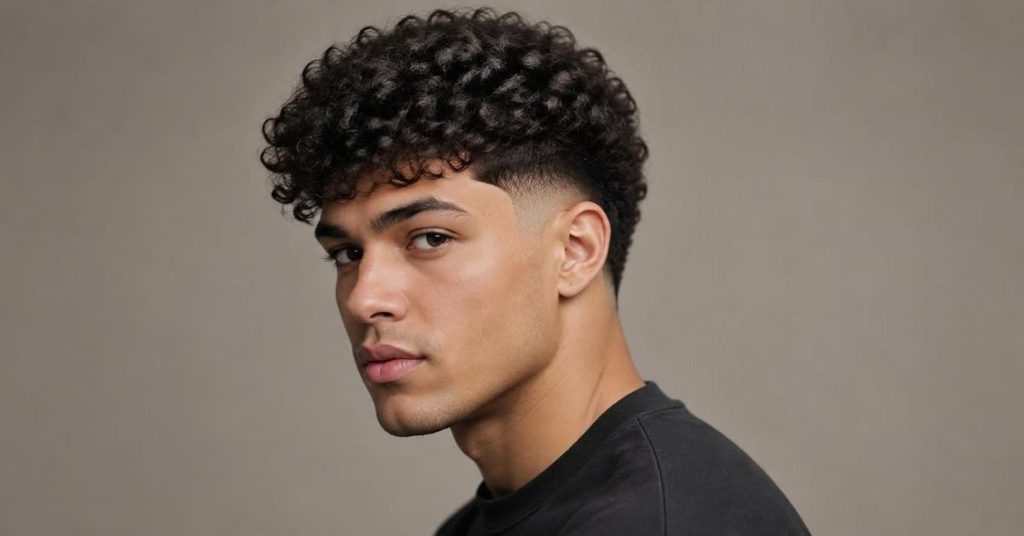
Curly hair gives this haircut a fuller and more distinctive appearance. The low taper cleans up the edges while leaving the curls visible across the top.
The barber should work with your natural curl pattern rather than cutting every section to the same length. This helps maintain shape and prevents uneven results.
A curl-friendly product can keep the upper section defined without making it stiff.
Best for: Loose, medium, and tight curls.
How to style it: Apply curl cream to damp hair, distribute it evenly, and use a diffuser if you want more volume.
13. Ninja Taper With Hair Design
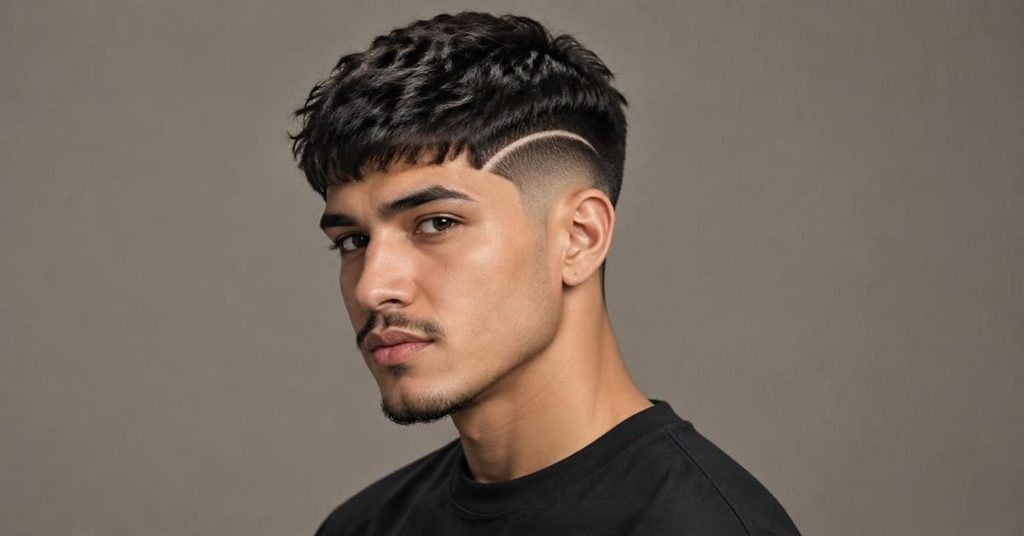
A small hair design can make a simple taper more personalized. Popular choices include a short curved line, a subtle geometric detail, or a clean line near the temple.
The design should complement the haircut instead of taking attention away from the entire shape. A small detail is often easier to maintain than a complicated pattern.
Ask your barber to show you the proposed design before using a trimmer or razor.
Best for: Straight, wavy, curly, and coily hair.
How to style it: Keep the top natural or textured so the side design remains visible.
14. Ninja Low Taper Fade With Beard
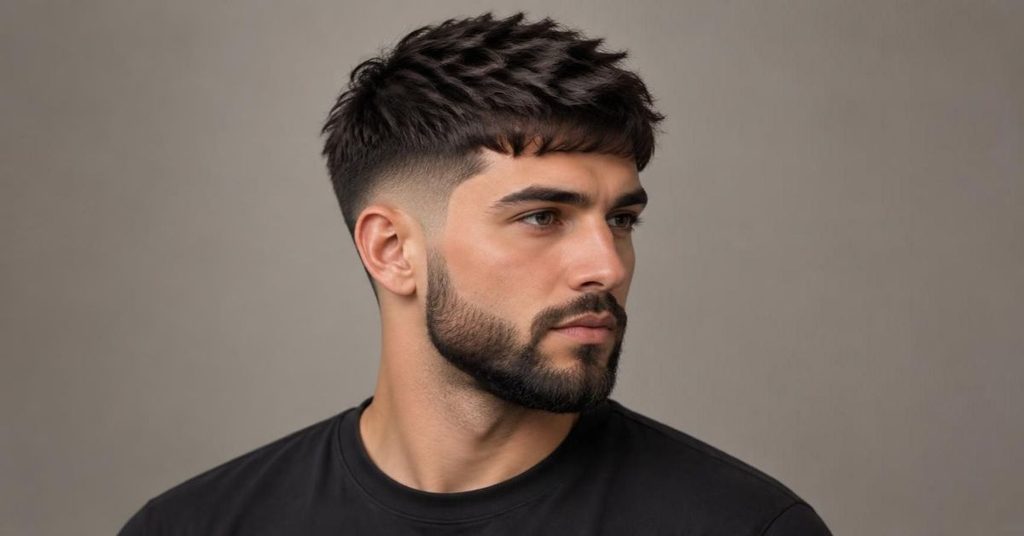
A beard can add balance to a short or medium-length hairstyle. The barber can gradually connect the sideburn area with the beard to create a smoother transition.
You can choose a short boxed beard, light stubble, or a fuller beard. The important point is to maintain a clean connection without removing too much beard density.
The haircut and beard should work together rather than compete for attention.
Best for: Men with facial hair and a suitable beard growth pattern.
How to style it: Use a small amount of beard oil and keep the cheek and neckline edges neatly trimmed.
15. Korean-Inspired Ninja Taper
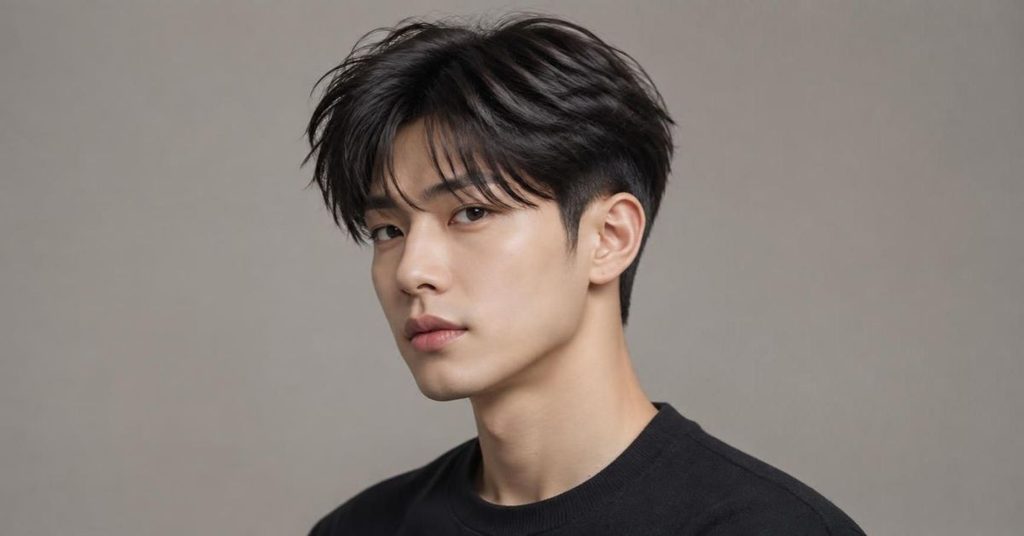
A Korean-inspired version often features a fuller top, soft layers, and a natural fringe. The low taper keeps the sideburns and neckline neat without removing the soft shape that makes the hairstyle distinctive.
You can combine it with a middle part or a loose curtain fringe. The overall appearance is more relaxed than a sharply styled military-inspired cut.
This style is worth considering if you prefer movement and a softer finish.
Best for: Straight and wavy hair.
How to style it: Use a blow-dryer and a lightweight styling cream to create soft volume around the front.
16. Slicked-Back Ninja Taper
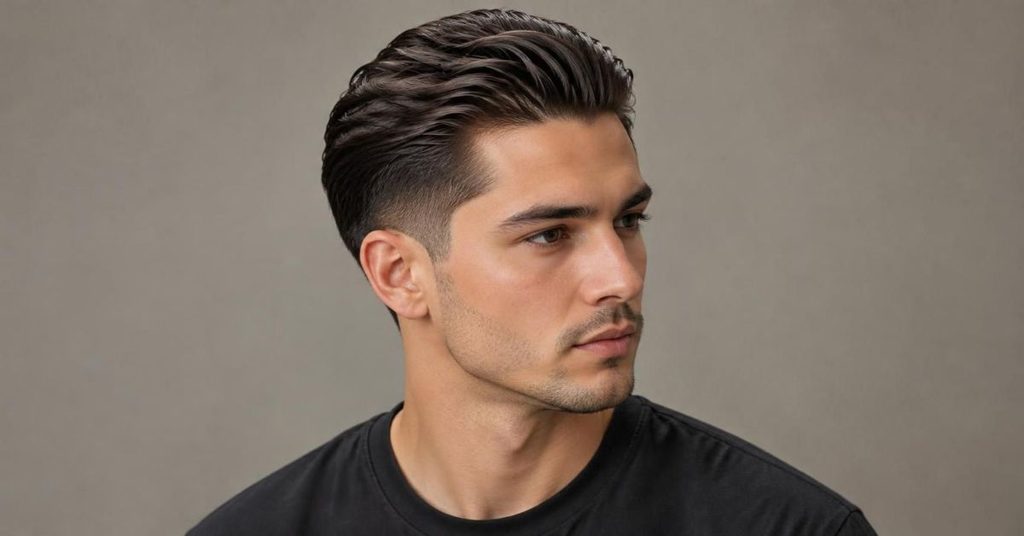
The slicked-back version gives the haircut a more polished appearance. The upper hair is directed backward, while the sides stay clean and gradually blended.
You can choose a natural matte finish or a little shine. A lighter product works well if you want the hair to move instead of staying firmly in place.
This version is useful for formal events, dinners, and occasions where you want a more organized appearance.
Best for: Straight, wavy, and medium-length hair.
How to style it: Apply a small amount of pomade or styling cream and comb the hair backward while slightly damp.
17. Ninja Taper With Quiff
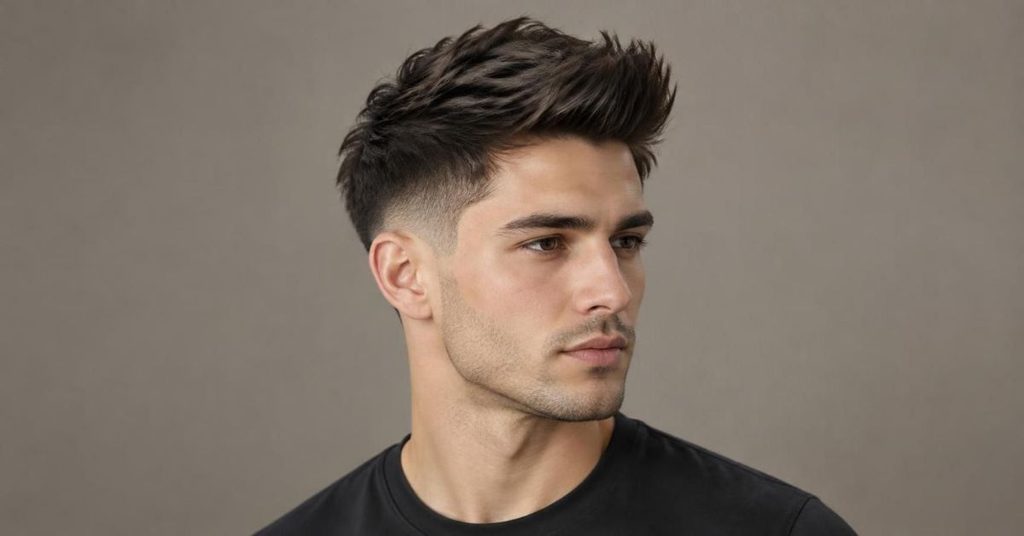
A quiff adds height to the front section. The hair is lifted upward and backward, creating a fuller shape above the forehead.
The low taper balances that volume by keeping the edges neat. This combination can make a simple haircut look more structured without requiring a high fade.
Avoid adding too much height if your face is already long or narrow. A moderate quiff usually creates a more balanced result.
Best for: Straight and thick wavy hair.
How to style it: Blow-dry the front upward with a round brush and finish with a medium-hold matte product.
18. Ninja Taper With Natural Curls and Volume
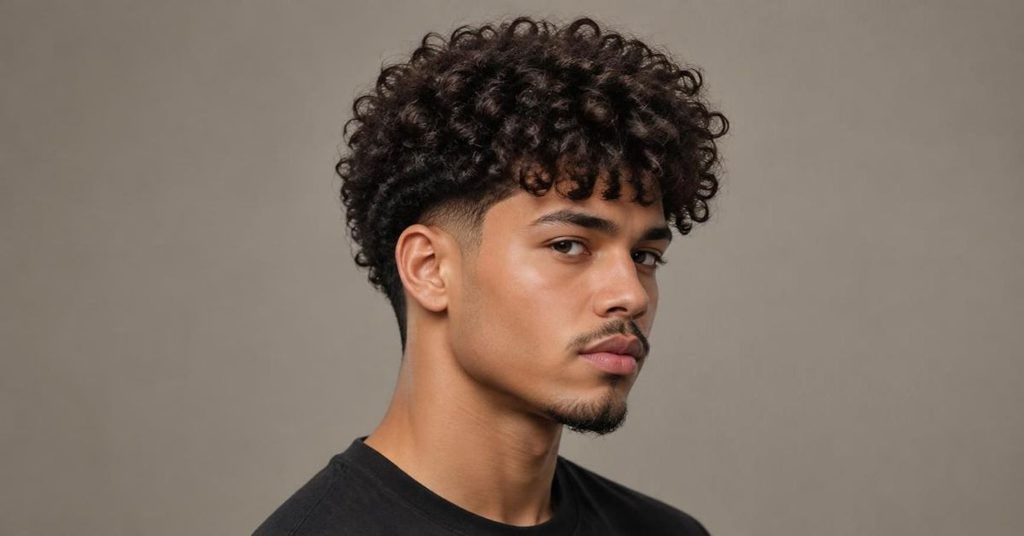
This version keeps the natural curls prominent and allows them to create the main shape. The barber only removes unnecessary weight around the temples and neckline.
The top should retain enough length to form a rounded or slightly uneven silhouette. The taper creates a clean outline without making the curls look disconnected.
It is a good choice if you want a haircut that celebrates your natural texture.
Best for: Curly and coily hair.
How to style it: Apply leave-in conditioner or curl cream and avoid excessive brushing.
19. Ninja Taper With Side-Swept Top
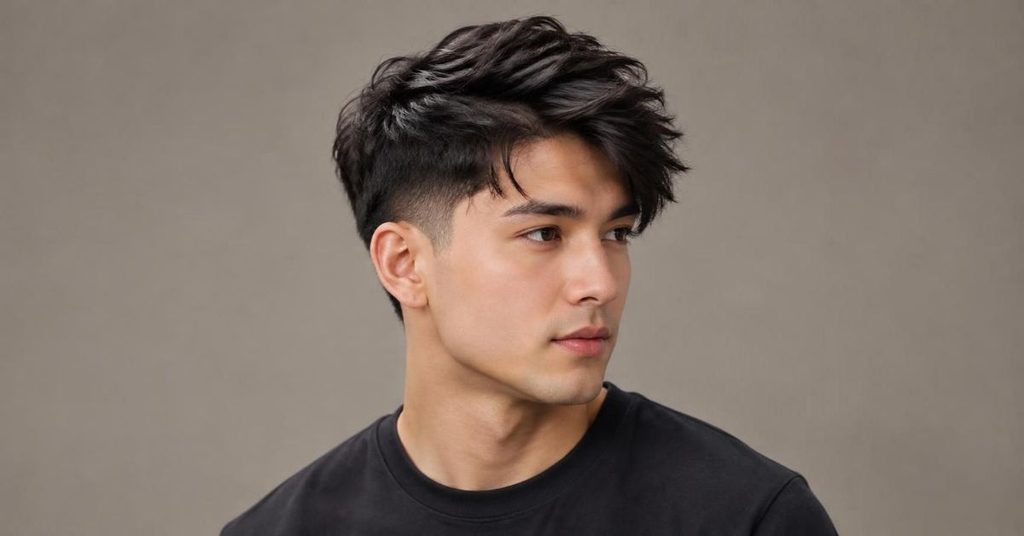
A side-swept top moves the front hair toward one side instead of pushing everything backward or forward. It creates a neat, slightly traditional appearance while keeping the haircut modern.
The barber can add light layers to make the hair fall naturally. You can also ask for a soft part that does not look too sharply divided.
This option is suitable for everyday wear because it does not require a dramatic finish.
Best for: Straight and wavy hair.
How to style it: Apply a lightweight cream and comb the front toward your preferred side.
20. Ninja Taper With a Low Man Bun
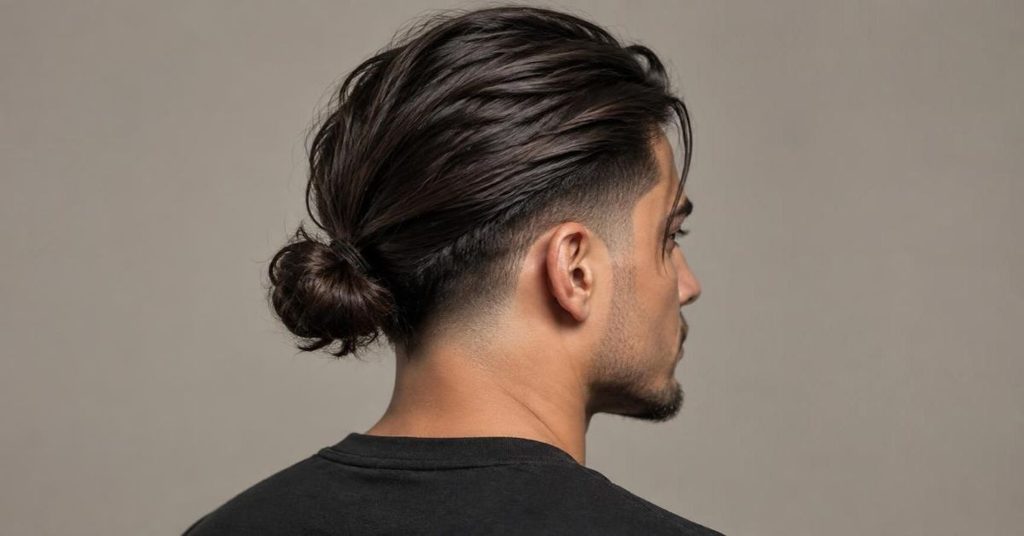
A low man bun is an option for men who have enough length to tie the upper hair backward. The low taper cleans the sideburns and neckline, while the remaining length creates the tied-back shape.
You need considerably more length for a comfortable bun than you would for a short textured crop. The barber should preserve the hair needed to gather at the back.
This version creates a more distinctive appearance and requires regular attention to the longer sections.
Best for: Medium-to-long straight, wavy, or curly hair.
How to style it: Brush the upper hair backward, gather it loosely, and secure it with a soft hair tie.
Comparison of the 20 Modern Haircut Styles
Choosing between several haircut ideas can be difficult when they all use a similar taper. The table below compares their main features to help you narrow down your options.
| Haircut Style | Main Feature | Suitable Hair Type | Styling Effort |
| Classic version | Clean, balanced shape | Most types | Low |
| Textured top | Separated layers | Straight, thick, wavy | Low |
| Fringe | Forward-facing front | Straight, wavy | Medium |
| Messy top | Relaxed movement | Thick, wavy | Low |
| Middle part | Centered sections | Straight, wavy | Medium |
| Two-block | Fuller upper section | Straight, thick | Medium |
| Long top | More styling freedom | Straight, wavy | Medium |
| Short top | Simple finish | Most types | Low |
| Thick-hair version | Controlled volume | Thick hair | Medium |
| Straight-hair version | Smooth direction | Straight hair | Low |
| Wavy version | Natural movement | Wavy hair | Low |
| Curly version | Defined curls | Curly hair | Medium |
| Hair design | Personalized detail | Most types | Low |
| Beard combination | Blended facial hair | Beard growth | Medium |
| Korean-inspired | Soft layers | Straight, wavy | Medium |
| Slicked-back | Brushed-back top | Straight, wavy | Medium |
| Quiff | Lifted front | Straight, thick | Medium |
| Natural curls | Rounded texture | Curly, coily | Low |
| Side-swept | Angled front | Straight, wavy | Low |
| Low man bun | Tied-back length | Long hair | Medium |
How to Choose the Right Ninja Low Taper Fade for Your Face Shape
Your face shape can help you decide how much height, width, and volume to keep in your haircut. It should not be the only factor, though. Your natural hairline, hair density, personal taste, and styling routine also matter.
A skilled barber can adjust the top and sides to create a balanced appearance without forcing your hair into an unnatural shape.
Oval Face Shape
An oval face generally has balanced proportions, which gives you plenty of styling choices. You can try a textured crop, middle part, fringe, or slicked-back top.
Avoid adding excessive height if you prefer to keep the face looking proportionate. A moderate amount of volume usually works well.
Round Face Shape
A round face often has similar width and length, with softer angles around the jaw. A little height on top can create a longer-looking appearance.
A textured quiff or side-swept top may be worth trying. Keep the sides controlled without making the fade unnecessarily high.
Square Face Shape
A square face typically has a defined jawline and a broader forehead. Textured tops, short fringes, and slightly messy styles can complement those features.
You can also choose a classic version if you prefer a clean and simple appearance. Avoid assuming that every square face needs a very sharp haircut.
Diamond Face Shape
A diamond-shaped face usually has prominent cheekbones with a narrower forehead and chin. A textured fringe or medium-length top can help balance the overall appearance.
A softer taper can work well because it keeps the haircut from looking too narrow around the sides.
Heart-Shaped Face
A heart-shaped face generally has a wider forehead and a narrower chin. A side-swept top or soft fringe can help balance the upper part of the face.
Avoid adding too much height if you feel your forehead already attracts attention. Your barber can leave a little more visual weight around the sides.
Best Hair Types for This Modern Haircut
Hair texture affects how a haircut sits, how much styling it needs, and how the fade connects to the top. The same barber instructions will not produce identical results on every hair type.
Straight Hair
Straight hair offers several styling possibilities because it can be directed forward, backward, or toward either side.
A textured top can add movement, especially if your hair tends to look flat. Scissor layering may help create a more natural shape.
Wavy Hair
Wavy hair already has movement, making it suitable for messy tops, fringes, and middle parts.
The barber should preserve the natural wave pattern and avoid cutting the upper section too short if you want the waves to remain visible.
Curly Hair
Curly hair creates volume and texture without needing a complicated styling routine. The barber should understand your curl pattern and account for shrinkage when choosing the top length.
A curl cream or leave-in conditioner can help maintain definition.
Coily Hair
Coily hair can work with a neat low taper and a fuller natural top. You can choose a rounded shape, short textured top, or a defined natural finish.
A barber experienced with coily hair can help preserve the natural pattern while cleaning up the edges.
Fine Hair
Fine hair may benefit from a shorter, lightly textured top. Heavy products can weigh it down and make it appear flatter.
Ask your barber to retain enough density instead of aggressively thinning the upper section.
Ninja Low Taper Fade vs. Regular Low Taper Fade
These two names can sound like different barbering techniques, but the difference is usually in the styling concept rather than a separate technical method.
A regular low taper fade describes the placement and blending around the sideburns and neckline. The ninja-inspired version adds a particular aesthetic, which may include a textured top, a fringe, longer hair, or a pulled-back appearance.
| Feature | Ninja-Inspired Version | Regular Low Taper Fade |
| Fade placement | Low | Low |
| Sideburns | Neatly blended | Neatly blended |
| Neckline | Tapered | Tapered |
| Top length | Often textured or longer | Any length |
| Styling | More style-focused | Highly flexible |
| Overall appearance | Inspired and personalized | Classic and versatile |
The important point is that “ninja” is not a universal technical specification. Show your barber the exact top style and fade placement you want instead of relying on the name alone.
Ninja Low Taper Fade vs. Mid Taper Fade
The biggest difference between these haircuts is the height at which the blending begins.
A low taper stays close to the ears and neckline. A mid taper moves the blend higher toward the temple area, creating a more visible transition.
| Feature | Low Taper | Mid Taper |
| Fade position | Near the ears and neckline | Higher around the temples |
| Contrast | Subtle | More noticeable |
| Side volume | More hair remains | More side weight is removed |
| Appearance | Conservative and natural | Sharper and more defined |
| Grow-out | Usually less noticeable | Often more visible |
| Styling options | Flexible | Flexible |
Choose a low taper if you want a softer outline. Consider a mid taper if you prefer a stronger fade that can be seen more clearly from the front.
How to Ask Your Barber for This Haircut
A clear barber request can save you from an unwanted result. The phrase “ninja haircut” alone may not tell your barber exactly what you have in mind.
Explain the fade placement, shortest length, top length, and finish separately.
Step 1: Explain the Fade Height
Start by asking for a low taper around the temples, sideburns, and neckline.
Tell the barber whether you want the shortest sections to reach the skin or retain a little visible hair. These are different finishing choices.
Step 2: Describe the Top Length
Explain how much length you want to keep on top.
For example, you might want a short textured crop, a medium fringe, or enough length for a small bun. Your barber can recommend a suitable length based on your hair type.
Step 3: Choose the Hairline Finish
Decide whether you prefer a natural hairline or a sharper lineup.
A sharp lineup creates a more defined edge, while a natural finish keeps the haircut softer. Your choice should match your preferred appearance.
Step 4: Explain the Neckline
You can choose a natural, rounded, or squared neckline.
A natural neckline usually grows out more softly. A squared finish creates a more defined edge but may become noticeable as the hair grows.
Step 5: Show Reference Photos
Bring pictures showing the front, side, and back of the haircut.
One front-facing image may not show the exact taper placement. Multiple angles help your barber understand how the haircut should look from every direction.
Barber Request You Can Use
“I want a low taper around the temples, sideburns, and neckline. Keep the fade low and blend it smoothly. Leave enough length on top for a textured style, and keep the natural shape of my hair. Please show me the blend height before taking it higher.”
You can change the final sentence to describe a fringe, quiff, middle part, curls, or slicked-back top.
How to Style Your Hair at Home
The right styling routine depends on your top length and hair texture. A short textured cut needs very little work, while a longer top may require more attention.
Follow these steps to keep your haircut looking organized.
Step 1: Start With Clean Hair
Wash your hair when it needs cleaning, using a shampoo suitable for your scalp and hair type.
Avoid washing excessively if your hair becomes dry. A conditioner can help keep longer sections manageable.
Step 2: Remove Excess Water
Use a clean towel to gently remove excess water.
Do not rub curly or wavy hair aggressively because rough towel drying can increase frizz. A microfiber towel can be helpful for textured hair.
Step 3: Apply the Right Product
Choose a product according to the finish you want.
- Matte clay works well for textured and messy styles.
- Pomade helps create a smoother, more controlled finish.
- Lightweight cream adds softness and light hold.
- Curl cream supports natural curl definition.
- Texture powder can add lift to some short hairstyles.
Start with a small amount. You can always add more if necessary.
Step 4: Shape the Top
Use your fingers or a suitable brush to create the desired direction.
Push the hair forward for a fringe, backward for a slicked-back look, or upward for a quiff. A middle part requires a clean center division.
Step 5: Use a Blow-Dryer When Needed
A blow-dryer can help control the shape of longer hair.
Use moderate heat and keep the dryer moving. A diffuser can help preserve curls and waves.
Step 6: Finish Without Overloading the Hair
Check the shape from the front and sides. Add a small amount of product only where it is needed.
A natural finish usually looks better than hair covered in excessive styling product.
Best Hair Products for a Low Taper Hairstyle
You do not need an entire collection of grooming products. A few suitable items can help you manage the upper section and maintain a clean appearance.
| Product | Main Purpose | Best For |
| Matte clay | Adds texture and hold | Messy and textured tops |
| Pomade | Controls and smooths hair | Slicked-back styles |
| Hair cream | Adds softness and light control | Everyday styling |
| Curl cream | Defines curls | Curly and coily hair |
| Sea salt spray | Adds texture and movement | Wavy hair |
| Texture powder | Adds lift and volume | Some short and fine hairstyles |
| Hair dryer | Shapes and dries hair | Medium and long tops |
| Wide-tooth comb | Separates textured hair | Curly and wavy hair |
Choose products based on your actual hair needs. A strong-hold product may be unnecessary if your haircut already stays in place naturally.
How to Maintain Your Haircut
Regular maintenance keeps the taper looking neat and prevents the outline from losing its shape.
The exact schedule depends on how quickly your hair grows, how short the fade is, and how sharp you want the edges to remain.
Schedule Regular Barber Visits
Many people refresh a low taper every three to five weeks. A very short skin finish or sharply defined lineup may need attention sooner.
You do not have to cut the entire top every time. Ask your barber whether a quick edge cleanup is suitable between full haircuts.
Keep the Hair and Scalp Clean
Use shampoo according to your scalp’s needs and apply conditioner when necessary.
Avoid using heavy products every day without washing them out. Product buildup can make hair feel greasy and difficult to style.
Protect the Top From Excessive Heat
Frequent high-heat styling can dry out hair. Use moderate heat and a suitable heat protectant when blow-drying regularly.
Allow your hair to air-dry when practical, especially if you have naturally curly or wavy hair.
Maintain the Neckline Carefully
The neckline can become untidy as hair grows. A professional cleanup can restore the shape without removing too much length.
Avoid trying to recreate the full taper yourself unless you have experience with clippers and blending.
Keep Your Styling Routine Simple
Using too many products can make your hair difficult to manage.
A suitable shampoo, conditioner, and one styling product may be enough for most everyday versions of this haircut.
Common Mistakes to Avoid
A good haircut depends on more than choosing a popular style. Small decisions during the barber appointment can change the final result.
Choosing the Wrong Fade Height
Asking for a low taper but receiving a higher blend can change the entire appearance.
Point to the area where you want the fade to begin. Ask your barber to confirm the height before cutting.
Removing Too Much Length From the Top
The upper section creates much of the haircut’s identity. Cutting it too short may prevent you from creating the fringe, middle part, or other style you originally wanted.
Explain your preferred top style before the barber starts trimming.
Ignoring Natural Hair Texture
A haircut that looks good on straight hair may behave differently on curls or waves.
Choose a reference photo with a similar texture to yours. This gives your barber a more realistic idea of the result.
Using Too Much Styling Product
Excessive clay, pomade, or gel can make hair look heavy and greasy.
Begin with a small amount and increase it only when necessary.
Requesting a Haircut Without Reference Photos
The words “short sides and long top” can mean different things to different people.
Use clear pictures and explain which details you want to copy. Mention the fade height, top length, and neckline separately.
Ignoring Hair Growth Patterns
Some people have cowlicks, uneven growth, or natural parting patterns. These details can affect how the top sits.
Ask the barber to work with your natural growth instead of forcing the hair into a difficult shape.
Is This Haircut Suitable for School and Work?
A low taper can be a practical choice for many school and workplace environments because the shortest sections remain close to the natural hairline.
The haircut can look subtle when the top is short and the edges are softly blended. A longer textured top or bold hair design creates a more noticeable appearance.
There is no universal dress-code rule that approves every version. Schools, employers, and uniformed services may have different grooming policies.
If appearance rules matter to you, check them before choosing a design or an especially sharp finish. A simple low taper with a natural neckline is often the safer starting point.
Is the Ninja Low Taper Fade Suitable for Every Age?
This haircut is not limited to one age group. Younger men may prefer textured fringes, messy tops, or hair designs, while adults may choose a classic or slicked-back version.
The best choice depends on personal taste, hair texture, lifestyle, and grooming preferences rather than age alone.
A short version can be easy to manage, while a longer version gives you more styling freedom. Both can work when the haircut is shaped according to your natural hair.
How Much Does a Low Taper Haircut Cost?
The price depends on your location, barber experience, shop reputation, and the services included.
A basic haircut may cost less than a detailed appointment involving a skin finish, beard blend, lineup, and hair design.
Ask the barber for the total price before starting. If you want a specific top style, check whether styling or additional finishing work costs extra.
You should compare the barber’s experience and previous work rather than choosing a haircut service based only on the lowest price.
Frequently Asked Questions
What Is a Ninja Low Taper Fade?
A ninja low taper fade is a style-inspired men’s haircut featuring a low blend around the temples and neckline with a top that can be textured, messy, curly, fringed, or brushed backward.
Is the Ninja Low Taper Fade a Real Haircut?
Yes, the haircut combines established barbering techniques, including a low taper and different top styles. The word “ninja” is an informal style label rather than a standardized barbering term.
Why Is the Ninja Low Taper Fade Famous?
The haircut became widely recognized through a January 2024 viral trend involving musician ericdoa and streamer Ninja. Ninja later got the haircut and shared it on social media.
Does This Haircut Work With Curly Hair?
Yes, curly hair can work well with a low taper because the sides stay neat while the natural curls remain visible on top. A barber should adjust the length to match your curl pattern.
Is a Low Taper Better Than a Mid Taper?
A low taper is better if you prefer subtle blending near the ears and neckline, while a mid taper is suitable if you want a more visible transition higher on the sides.
How Long Should the Top Be?
The ideal top length depends on your preferred style. A short textured crop needs less length, while a fringe, middle part, or man bun requires more hair.
How Often Should I Get a Low Taper Trimmed?
Most low tapers can be refreshed every three to five weeks, although a very sharp skin finish may need attention every two to three weeks.
Conclusion
The ninja low taper fade is a versatile haircut that combines a clean outline with plenty of styling options. Its low placement keeps the temples and neckline neat, while the longer top lets you choose a look that matches your hair texture and personal taste.
You can try a classic version, textured fringe, messy top, middle part, curly style, slicked-back finish, or even a longer tied-back look. The best option depends on your natural hair, face shape, daily routine, and the amount of styling you enjoy.
Before visiting the barbershop, save a few reference photos and decide how short you want the sides and how much length you want to keep on top. Explain those details clearly instead of relying only on the haircut’s name.

Reyansh is an experienced fashion writer with 6+ years of writing experience, passionate about fashion trends, styling ideas, and modern looks. He creates simple, engaging content that helps readers discover their personal style with confidence.